Posts Tagged ‘anger and stress’

Releasing Pain in Your Body By Getting in Touch with Buried Emotions

June 6th, 2016 Comments Off on Releasing Pain in Your Body By Getting in Touch with Buried Emotions


Anger, Stress and Anxiety Management Tips for Satisfying Relationships
chronic pain management psychotherapy

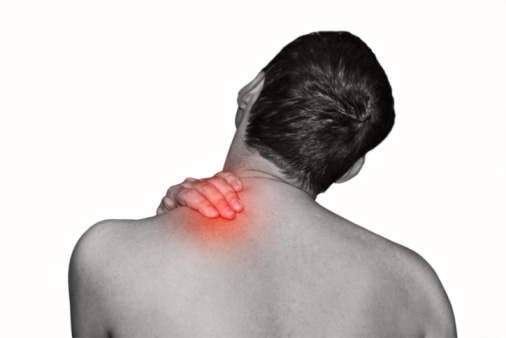
Chronic pain is the most common debilitating experience for a quarter of all American’s under 60 years of age, and costs $635 billion a year to health care services. Opioids caused 18,893 overdose deaths in the United States in 2014, according to the American Society of Addiction Medicine. Andrew Ahn, chief scientific officer of pain research at Lilly, said opioids are effective against acute pain, but have limited and decreasing effectiveness against chronic pain. Recently, in May 2016 in JAMA Internal Medicine reported that opiods perform in a subpar manner for chronic low back pain. .An article in the Journal of Neuroscience, 2105, reports that strong opiates like morphine offer little relief because they don’t release the rewarding dopamine neurotransmitters that would ease chronic pain. The Journal Anesthesia & Analgesia, 2007 indicates that pain disrupts the process whereby you consolidate your learning into long-term memory storage. So when you can’t form a memory of a good feeling or experience during relaxation, meditation, yoga or other non-invasive practices, your chronic pain quite literally, drives you to distraction.

In many cases there is no organic source for chronic pain – MRI and CAT scans reveal no particular abnormality or malfunction that could be medically corrected. Alternative medicine such as acupuncture can help for some types of pain, but chronic emotional stress renders the benefits moot. Exercise, Tai chi, and meditation involve life style changes that many with chronic pain are not inclined to invest in while suffering.

But, there is enormous hope and relief available to you at little cost as a large body of research shows that intense negative emotions unexpressed are held in the body and are usually at the root of chronic pain.

It starts from early childhood when your care givers fail to tune into your feelings and soothe you while helping you feel safe. Perhaps you were shut down if you tried to express your anger, fear, distress or need for comfort. If so, you will have learned that it’s not safe to let your feelings out. So you stuffed them in the body trying to be strong. You may have little or no conscious memory of being hurt in this way, because early childhood memories are stored in the body. Furthermore if you grew up in an environment where no one talked of feelings, you never developed a vocabulary of emotional expression, and continued stuffing the bad feelings in your body.

los angeles chronic pain and stress management counseling

Chronic Pain in Adulthood Often Stems From Childhood Adversitites

Children from high conflict homes, by training their brains to be vigilant, process signs of interpersonal emotion, either anger or happiness, differently than children from low conflict homes, (Journal of Family Psychology, 2015) and are more likely to feel stressful emotions in their body since they learned it was the safe thing to do.

You have been doing a valiant job trying to survive by holding in your stress, fear, hurt and desperate need for comfort and security. You’ve been so brave not showing how neglected, rejected and undervalued you felt by those who you were supposed to rely on. But in order to be the good soldier, you had to stuff those unbearable feelings somewhere, and the easiest place to do so was your body. After all, fear and anxiety is a physical experience – that pit in your stomach, and the racing heart, with tension in the muscles. You freeze and that fear is stored as a memory in your body because you daren’t show or tell for fear of being ridiculed or ignored. Over time, it’s become overwhelming and screaming out to you in pain, begging you to own those awful feelings, look at them, touch and feel them, understand them, digest them and free yourself forever.

For example the way in which you were attended to as an infant when you were uncomfortable and needing soothing, has a huge influence on the severity of chronic pain in adulthood. If you were left hanging as a kid, and never knew when or if you were going to be taken care of when you were then your focus was on getting the care, or trying to handle the fear of being ignored. These two styles of attachment, known as the ‘preoccupied’ and ‘fearful’ styles of attachment are associated with heightened pain severity, and pain catastrophizing’ according to a report by the American Pain Society in 2009.

Another study reported in Cognitive and Affective Neuroscience, 2015 found that greater levels of cumulative stress during childhood and adolescence predicted lower reward-related  activity in the ventral striatum of the brain in adulthood. Lower rewards in this part of the brain means that pain becomes more prominent and persistent.

Childhood stress and psychological abuse and neglect has been shown to increase inflammatory markers in the blood stream that continues into adulthood. Inflammation caused by stress leads to chronic pain and becomes a major health issue, (Molecular Psychiatry, 2015). Women who have been severely mistreated and abused emotionally and or physically end up with chronic pain through heightened cortisol levels that reflect permanently altered stress hormones.


Chronic pain can be viewed as a learned memory, reported The 9th Annual Canadian Neuroscience Meeting, 2015 Just like in the way that repetition of a piano piece enables you to learn it by facilitating transmission of the appropriate signals through your neurons, pain that persists can become chronic because your neurons become more efficient at transmitting pain signals. This strengthening of connections between neurons through repeated use is called Long Term Potentiation, because you have kept those emotions stuffed, and then add repeated layers of uncomfortable feelings. So the pain gets stronger and they feed off each other.

los angeles stress and chronic pain management therapy

Chronic Pain is Reduced By Expressing Anger and Sadness Bottled Up For a Long Time

Let’s take the case of 35-year old Matthew who suffered chronic right hip pain with excruciating sciatica all down his right leg. He was irritable anticipating the pain as he woke and got out of bed, having to brace himself against the pain as he stood up. The persistent chronic pain affected his mobility, sapped his energy and made him want to give up on life. Imaging scans revealed no abnormalities or bone loss. Strong medication made him nauseous, physical therapy increased the pain; and massage was only temporarily soothing. Matthew was constantly tense and ‘armored up’ ready for the pain, wishing he could control it. He tried comfort food and alcohol but it was a fleeting sense of taking action that made him feel good. The pain remained, like a dark shadow he couldn’t shake and had to succumb to.

While in therapy to deal with marital conflict, Mathew noticed that when he felt understood and accepted, his pain went away. He discovered that when he went camping or sailing, and when he played with his kids, he was pain free. But he wasn’t aware of it at the time: it was only when he reflected on his experience of comfort versus discomfort that he made this connection. As he got more connected with his emotions Matthew realized the rage inside him about having to play a parental role in his marriage, just as he had parented his mother during his childhood when she ‘lost it,’ and frequently panicked. As we explored his earliest experiences with information from his grandmother and mother, we learned that his mother was sick after giving birth, , and his care became somewhat haphazard. Matthew as you can imagine wasn’t secure and couldn’t rely on care givers to meet his needs. Fear for his survival and later anger at his mother for not being emotionally strong – all went into his body, and it was only when he was safe and received consistent care in therapy could he reconnect with these awful feelings. When he did feel them in session the pain lessened, once we started putting words to them.

He began to notice that the pain got worse when he anticipated his wife demanding that he behave a certain way, and haranguing him when he didn’t live up to her expectations. It was the same when he knew he had to spend time with his mother and brother who derided him for not molding himself to their ideal. But he never told them how he felt. He never shared how angry he was at being controlled, nor how he feared that his autonomy and individuality was being crushed. He tried to be ‘above’ it, as if nothing touched him – except that it did, on a continual basis, resulting in severe and chronic pain in his body. The journal Emotion , 2007 published a study that showed that attempts to suppress anger may amplify pain sensitivity by ironically augmenting perception of the irritating and frustrating qualities of pain. Matthew was keeping his pain bottled in and feeling more pain as a result.

relief for chronic pain, Los Angeles psychotherapy

Chronic Pain Management Success – Research Shows Emotional Expression Relieves Pain

It took a long time for Matthew to feel safe enough to express his anger and terror of being squashed in session with me. But when he did, he felt seen, heard and acknowledged. He was validated and the pain vanished until the next time he ignored his feelings and let his body scream out his emotional pain.

The Annals of Behavioral Medicine, 2013, published a study that anger awareness and expression training was effective in helping with headaches, and it’s likely that Matthew whose therapy was facilitating anger awareness, will also be helped to deal with his hip and sciatic nerve pain.


Chronic Abdominal and Musceloskelatal Pain Releieved By Expressing Long Suppressed Emotions

At the age of 40 Sara had been suffering from a range of chronic pains including stomach cramp, ankle pain, ear ache, neck and shoulder pain as well as back pain. These chronic conditions that flared up from time to time and caused enormous exhaustion trying to manage them, since neither homeopathic nor traditional medicine appeared to offer relief or an understanding of the source of the pain. There were no organic abnormalities and other than binge eating when she needed to comfort herself, health wise Sara was doing okay. She went through life pretending to be interested or present with family and others. But inside she was always on guard. Would they see and acknowledge her or would she just be on the periphery of their lives, just as she had experienced as a child? Wanting comfortable connection but fearing being ignored or chided, it was easier to just become part of the scenery as if she didn’t exist. The only problem was that she suffered a deep and insatiable longing for connection from a receptive caring person that she could trust. That longing became stuffed because it would be weak to show it. The longing and pain of not having that connection and nurturance was reflected in her ankle pain when she didn’t want to go to work, and wished to be put to bed and cared for. As soon as she and I worked on exposing the feelings of needing reassurance and being important enough to be cared for, the ankle pain abated.

Stomach cramps plagued Sara often. They seemed to come from nowhere and despite Sara’s desperate efforts to relate it to her menstrual cycle; we noticed that the cramps came at random. She did not have any disease such as Irritible Bowel Syndrome or Inflammatory Bowel Disease, although those who do often experience non-organic pain. The Journal of Gastroenterology, 2011 reports that a tendency to experience the world in negative ways (neuroticism) tends to be higher in patients with irritable bowel syndrome (IBS), and is a risk factor for chronic, unexplained pain in IBS.

After I drew out Sara’s anger at her father for not protecting her as a youngster, and her current feelings of being unsafe in her apartment, it was as if the cramps were massaged away after she expressed the suppressed emotions. Other times our discussions would reveal that her abdominal pain was a sign of the stuffed terror of being forgotten by her parents, leaving her alone in a big storm. I encouraged her to put her terror into words and speak the fear to her parents as if they were there with her. The dry nauseous sobs coming from the pit of her belly released her from her pain – until the next time she felt her alone and abandoned. She let out her fear, rage and anxiety about being unloved – otherwise why would they have abandoned her. Then we worked on her abandonment fears, helping her express them, and receive the security she craved from my consistent presence and nurturing in a reliable way.

As Sara became more aware of all her stuffed emotions, and therapy made it safe for her to feel them, she released the pain from her body, owning the emotions and letting out the years of unresolved relationship stress. At first Sara found it easiest to access and express her intense emotions through various artistic activities and then talking with me about them. We also used her vivid dreams to help access her unbearable and overwhelming emotions that had been stuffed for her whole life. Getting her to write journal letters to her mother, grandmother and father about all the times she felt rejected and unimportant helped her to keep up the emotional expression in between therapy sessions.

In 2016 the American Pain Society at their 35th Annual Scientific Meeting presented a study that showed that patients with Fibromyalgia did best when offered Emotional Awareness and Expression Therapy, as I did with Sara. These patients did least well with Cognitive Behavioral therapy that is more intellectual and doesn’t release the feelings buried in the body, giving pain.

The two examples I have described represent many of the patients I see with similar chronic pain issues. They all have concurrent mental health issues such as anxiety, depression, eating disorders and chronic pain disorders. An article in the Journal of Pain 2015 reports that one quarter of young people have co-existing emotional disorders and chronic pain, showing the intimate connection between them. The onset of pain was frequently preceded by mental disorders. For example, affective disorders such as depression occurred particularly frequently before headaches. Furthermore, anxiety disorders often occurred before neck and back pain, as well as before headaches.

With so much evidence pointing to early mistreatment and neglect causing stress, with suppression of emotions leading to chronic pain in adulthood, it’s important to take your feelings seriously in terms of releasing yourself from the pain that plagues you. We now also have a good deal of evidence that therapies involving emotional expression especially anger and sadness work! Chronic pain is reduced and that reduction is maintained as you feel safe to continue expressing feelings as they arise.


Copyright, Jeanette Raymond, Ph.D.


You may also like

Shameful anger is detoxified by the pain of a bone fracture

Expressing Anger Appropriately is a Natural Pain Relief Mechanism

Is Fear of Standing up for Yourself Causing you Allergies?

Disclaimer: this article is for educational and informational purposes only. There is no liability on the part of Dr. Raymond for any reactions you may have when reading the material or following the suggestions therein. Interacting with this material does not constitute a therapeutic relationship with Dr. Raymond.




7 Ways Journaling Can Help You De-Stress and Live Up to Your Potential

September 11th, 2015 Comments Off on 7 Ways Journaling Can Help You De-Stress and Live Up to Your Potential

Anger, Stress and Anxiety Management Tips for Satisfying Relationships


stress management Los AngelesWrite out your turbulent emotions and get smell the freshness!

Have you ever been told to keep a journal and felt your heart sink to your boots?

Is the idea of journaling stressful in itself?

Perhaps you don't want to dwell on what's going on inside you because its messy.

Maybe you want to feel strong and the best way of doing it is to ignore bad feelings and hope they will just go away.

You may be very good at keeping your anger, stress, resentment, revengeful thoughts and feelings under cover, but they have a way of coming out in full force when you are least expecting it. Out of the blue a small irritation turns into a melt down and you don't understand how this could have happened. Your store of anger and stressful experiences found a tiny window when you got irritated and used that moment to escape, embarrasing you in the process.

Many of my clients are masters at covering up, ignoring and dismissing their unhappiness. They disown their fear of being abandoned, as well as losses past and present as if they have zero impact. They are so tightly wound that they walk around like knots, unable to open and connect with anyone or anything. Eventually the knot frays and they come unglued. Journaling is a very powerful and useful vehicle that puts words to long held feelings of being badly treated and uncared for.

Journaling to manage stress and anger can help you

  1. Begins the process of owning your feelings, validatng them, making them feel less messy and unattractive
  2. Helps you tolerate your most painful and uncomfortable feelings
  3. Spurs you to find words to explain and express painful feelings in a coherent way
  4. Writing the words that you are putting into a meaningful narrative helps you understand the source of your distress
  5. Allows you to think about your need to be in control and how that impacts your way of handling your interactions
  6. Evokes curiosity about why you coped by being silent – assessing pros and cons about whether you did the best for yourself
  7. Enables you to see, feel and understand the enormity of your emotional burden so that you can begin to develop self compassion


Three People Who Benefitted from Journaling to Mangage Stress and Anger

1. One of my clients was unable to talk to her mother because she was terrified of being dismissed or ridiculed.  "Writing' to her mother in a journal provided safety and free expression. She didn't have to censor herself, tread on eggshells, nor try to please her mother by negating herself. What she noticed in this exercise was how angry she was and how irrelevant she felt she was in her mother's eyes. She got in touch with her own need to be a player, to exist in her own right and accept that her feelings mattered.

BENEFITS –

  • RELEASE OF ANGER THAT HAD CONTRIBUTED TO EARLY CHILDHOOD RHEUMATOID ARTHRITIS
  • MAKING CHOICES INDEPENDENT OF HER PARENTS NEEDS AND FEELINGS
  • HEALTHY SEPARATION FROM PARENTS, OWNING HERSELF RATHER THAN BEING DEPENDENT.


west los angeles anger management therapy

  • Holding in rage, resentment and stress at not having a caring parent

2. Another client used journaling to talk to her estranged mother, putting into words the deep hurt she had carried all her life, feeling invisible to her parent. It was a long rehearsal that years later gave her the impetus to actually make contact, and experience her mother differently. She found that her mother was nothing like the one that her little child self had experienced. Her current day mother was willing to listen, and show care. That was a huge healing moment that continued over time, releasing her from the grip of playing the victim in her life, hoping to be rescued by a parental figure.

BENEFITS

  • REFRESH IMAGE OF SO CALLED BRUTAL PARENT
  • VALUE ONESELF
  • FEEL THE POWER OF BEING HEARD AND FELT
  • RECALIBRATE OLD TRAUMA INTO NEW HEALTHIER CONNECTION
  • EMOTIONAL GROWTH


west los angeles stress management    Release from the hold of stress and anger, a new life emerges

3. A third client used journaling to speak to her father whom she felt had taken her entitlements as a daughter and given it to other women in his life – his time, his energy, his love, and his money. She was mortified by the idea of telling him directly and lived in a 'holding pattern' of not working and not making committed relationships – imagining that her father would some day feel guilty seeing her so down and out – and take care of her as his number one priority. As she journaled and processed the outcome in therapy with me, she finally told her father what she wanted, and when he refused to take care of her financially, she was released from her fantasy and began to take charge of her life.

BENEFITS

  • SPEAK THE HURT OF BEING SIDELINED
  • GET A REALITY CHECK
  • GET UNBLOCKED
  • SELF-EMPOWERMENT
  • NOT WISHING EVERY MAN SHE WAS ATTRACTED TO WOULD REPLACE HER THE FATHER SHE LONGED FOR.

west los angeles anger management Getting Aquainted With Oneself Gets Opens Up Channels of Communication


Journaling as a way of getting to know yourself, directing goals and making sound decisions

 For many other clients I recommend writing about their day to day emotional experiences as they feel them. They benefit from becoming aware of their emotional experiences rather than burying them ( which lead to anxiety, OCD, depression, panic attacks, phobias and psychosomatic complaints.) They are amazed when they do so on a regular basis and use it to direct their goals, interactions and decision making.

west los angeles counseling for stressed and anxious couplesUnresolved grief can put a strain on relationships


Journaling as a way of expressing unresolved grief

 For one group of clients who are in complex and unresolved grief at the death of a loved one – journaling is very useful. It is private and intimate, yet allows the bereaved to connect with the source of their loss – especially for older children who lost someone early in life. They can ask questions and create answers – begin a dialogue that eventually with therapy, release them from their unresolved grief and let them get on with their own lives.


Copyright, Jeanette Raymond, Ph.D.

AUTHOR OF:' Now You Want Me, Now You Don't! Fear of Intimacy: Ten ways to recognize it and ten ways to manage it in your relationship.

You might also like:

Is anger spoilng the enjoyment of your achievements?

Five ways to use angry energy to empower yourself

How to express anger when you feel used and abused


Disclaimer: this article is for educational and informational purposes only. There is no liability on the part of Dr. Raymond for any reactions you may have when reading the material or following the suggestions therein. Interacting with this material does not constitute a therapeutic relationship with Dr. Raymond.



How Pregnant Mothers Can Avoid Passing on Stress to Their Unborn Child

July 23rd, 2015 Comments Off on How Pregnant Mothers Can Avoid Passing on Stress to Their Unborn Child


Anger and Stress Management Tips for Satisfying Relationships


managing stressStressed About Having Second Child

Getting the news that she was finally pregnant, should have been immensely relieving to 25-year-old Kerri, but she was as stressed if not more than before. Previously she had been stressed about having her second child before she was 35 years old, but now she was stressed about not having enough energy for her lively first born, 4 year-old Eric. She fretted over giving him less attention and potentially creating a long term problem

 Family Relationship Issues Began the Negative Chronic Stress Cycle for Kerri

Recalling her own childhood Kerri remembered being the oldest in her family, and with each new baby that came along, she was pushed further and further into the background, being forced to take on parenting tasks. Her father worked long hours and was also in competition for the scant energy his wife may have for him when he was home. Kerri had vowed to herself that her children weren’t going to suffer like that, and she was going to make sure her husband Ari would never feel he had to battle to get quality adult time with her.

As a teen ager, Kerri tried to feel wanted and cared for by her school friends but it just wasn’t the same as being wanted by her mother. The only time her parents seemed to show any interest in her was when she was needed as a babysitter. She focused on her school work determined to be an independently wealthy professional, tamping down her anger, and the part of her that ached for the love and attention her parents never gave.


los angeles stress management for pregnant mothers

Stress made her want to eat – but she tried to gain control over her bingeing and purging


 Lonely, angry, stressed and depressed, Kerri started to binge and purge. Those activities filled in the gaps between her school and then college schedules.  When she saw clumps of hair falling out in the shower she had a wakeup call and stopped the binging and purging.  The stress of not being in control anymore gave her eczema. Her immune system had been compromised by stress.  Kerri did her best to deal with each new symptom as I came up.  Until she met Ari at a smoothie bar on her way from class.

He seemed entranced by her and she fell head over heels in love with his attentive and thoughtful nature. They were married within the year. Both decided to finish college and put off having children until their careers were well established. Ari became a hot-shot-celebrity lawyer, traveling all over the place to be on all the prime time talk shows. Kerri fulfilled her dream of becoming a business owner at the age of 30 with a profitable nanny and babysitting agency.   

Stress Effected Kerri's Health

Ari’s absences triggered her stress and she began to feel that same old sense of overwhelm, lack of control and a need to get even more busy to blot out the feelings.  She was angry but once again never allowed herself to process it or express it. That added to her stress. Shadowed with fatigue and insomnia, Kerri did what she knew best – distract herself with another goal. She decided to expand her business into a daycare facility. The bureaucracy involved did the job of using up the excess adrenalin from the stress, but the stress hormones like cytokines depleted her energy. She never talked to Ari about her stress, or her wish that he wouldn’t travel. She didn’t want to upset him or his career, and plus she was used to taking the burden in the household. It was a job she grew up doing, and doing it well. Aware of her previous response to stress, Kerri made sure she ate properly because she wanted to conceive her first child. She was careful to look out for skin problems and made sure she was well hydrated, used nourishing skin lotions and had regular appointments with her dermatologist. So far so good. Then one morning she awoke with stomach cramps and nausea. The cramps intensified after eating and she felt as if she needed to have a bowel movement at least 3 times per hour. Kerri was diagnosed with Irritable Bowel Syndrome a week later. No organic causes were found, and stress was the named culprit.


stress management therapy los angelesKerri deliberaetely blinded herself to her stress and it's harmful effects on her  future children


The recommendation to reduce stress didn’t strike Kerri as helpful. She had a new business plan and discovered that she was pregnant. She plowed on thinking that things would just get better and for a time the joy of pregnancy countered the stress. She had no idea that she had chronic stress and that it could affect her unborn child.

Research Evidence Predicted Problems for Kerri's First Child Directly Related to his Mother's Chronic Stress

Eric was diagnosed with Asthma at the age of two and a half. He had always been a colicky baby but now he needed an inhaler. The thought of him not being able to breathe at night unless she was watching like a hawk spiked her stress levels to acute proportions. Kerri was devastated, but did her duty and made sure Eric had his inhaler at hand at all times. What Kerri didn’t know was that in 2010 the American Journal of Respiratory and Critical Care Medicine reported on a study with high and low stressed pregnant women. They found that in the high stress group, women like Kerri passed on their lowered immune response to their child as they passed through the birth canal, making them more likely to have allergic diseases such as asthma.

The journal Endocrinology published an article in June 2015 demonstrating that stress during pregnancy altered the healthy eco system of the gut microbiota in the maternal vagina, passing on that changed and less healthy bacterial system to the offspring on its way out.  Stress hormones passed onto the baby effected the gut and brain development, making the infant’s ability to manage stress much weaker than otherwise, especially for boys.

How can Kerri make sure her second child doesn't inherit her stress and be disadvantaged for the rest of its life?

Kerri didn’t want her second child of whatever gender to inherit her weakened immune response and be prone to all the stress related diseases that she had faced and more. Was it too late for her to manage her stress and give her second baby a strong immune system from the get go? No, but she must be willing to learn to de-stress and maintain that as a new way of life, because her stress is chronic and unrelenting.

Since she never learned how to recognize and attend to her stress before it became acute,

  1. She has to begin to become aware of the earliest signs of stress like

Irritability, going from excess energy to depletion, exhaustion after rest, inability to concentrate

stress management for pregnant mothersTuning into signs of stress is the first step in managing it

  1. She has to watch for her usual coping mechanisms and change them:
  • For example, instead of bingeing and purging – write down her feelings regarding loss of control.
  • Instead of getting busy with interminable lists of things to do – draw, paint, collage, make art in other forms which calms the brain and reduces stress hormones.
  • Go to therapy and work on her stressed childhood. Above all this is the most useful long term way of letting the stress go, making sure she doesn’t pass on an compromised immune system to her next child, BUT that she doesn’t model stress behaviors for either child.

Copyright, Jeanette Raymond, Ph.D.

AUTHOR OF:' Now You Want Me, Now You Don't! Fear of Intimacy: Ten ways to recognize it and ten ways to manage it in your relationship.

You might also like:

Three ways to prevent chronic stress from making you fat!

Cure Insomnia by dealing with anger and relationship stress

Keeping silent about your feelings predispose you to stress related Irritable Bowel Syndrome

Disclaimer: this article is for educational and informational purposes only. There is no liability on the part of Dr. Raymond for any reactions you may have when reading the material or following the suggestions therein. Interacting with this material does not constitute a therapeutic relationship with Dr. Raymond.



Fastest Way to Recovering From an Anger-stress Induced Depression

June 22nd, 2015 Comments Off on Fastest Way to Recovering From an Anger-stress Induced Depression

Anger and Stress Management Tips for Satisfying Relationships

stress-induced depression


Thirty-five-year-old plumber Tyler got angry with Gemma, his thirty-seven-year-old partner for inviting his brother over for the weekend pot-luck event. She knew that he didn’t get on with Roy but she kept trying to get them together. Tyler didn’t speak to Gemma unless it was absolutely necessary. He was civil in front of family and friends, but the stress was killing him. He was too tired to fight!
 

The folk music she put on while the guests were out on the patio grated on his nerves. He hated it, and Gemma knew that. But she went right ahead and turned the volume on full blast, disregarding him. Feeling himself get more stressed, Tyler played with the dog for a few minutes to calm himself down.


west los angeles therapy for stress
 

Over the last year Gemma seemed to do things that made him feel like she didn’t think of him, and nor was she interested in catering to his tastes. Feeling unacknowledged over and over again made him feel small and devalued – two key ingredients that made him insecure and stressed him out. He could do nothing to control it, and this weekend was the straw that broke the camel’s back. When the guests had gone, Tyler didn’t have the energy to clean up. He crashed on the sofa and slept for over 24 hours – straight, as if he had been drugged.
 

Waking up the next night, Tyler’s heart was heavy. He didn’t want to get up; he wasn’t hungry and had no interest in checking the messages on his phone. It was as if he were in a parallel world, looking at himself, lifeless and unmotivated to attend to his work calls or the notes left by his angry wife.
 

Tyler had fallen deep into a stress-induced depression. It had been creeping up, and now he was in a weird place – he wasn’t exactly numb, but he wasn’t full of the joys of spring either. His anger was subdued but so was his ambitious nature.  Nothing seemed to matter that much, except the hopelessness that he felt.
 

Gemma nagged to no avail. She tried to bring him back to normality with seductive acts, and dangling vacations in front of him, but nothing jump started his motor. He stayed in this morose, worn out, hopeless place, anxious about doing anything but hiding out.
 

What’s going to become of Tyler, his health, his marriage and his business if he stays locked in this stress-induced depression?


It’s a good bet he will suffer loss of self-worth and feel powerless. He will probably be zonked out on medication and or alcohol to make things easier. He may lose his wife and business if he remains in this awful place.
 

The secret to getting out of a stress-induced depression
 

Research published in the journal Nature in June 2015, found that focusing on positive memories could ‘override’ the negative effects of a stress-induced depressive mood. Stress is known to damage the memory centers of the brain, making it harder to learn, or unlearn and retain the new information. But a deliberate focus on past positive experiences can dampen if not negate the harmful effects of stress that triggers a depressive state.
 

Recalling those positive experiences alters the neurochemistry in the brain by neutralizing the effects of stress hormones in memory cells of the dendate gyrus area in the brain.
 

recovering from depression

So, how can Tyler use this research to counter his depression and empower himself again?


1. Recall times in his marriage with Gemma when he experienced her as caring and sensitive to his needs.
2. Re-live and recapture the good feelings of lovability and self-worth he once enjoyed by using photos and videos of better times.
3. Listen to music that evokes those happy times.
4. Watch shows that remind him of his carefree, humorous and wild times with or without Gemma.
5. Eat foods that he once enjoyed and looked forward to.
6. Share all of the above with Gemma.

Copyright, Jeanette Raymond, Ph.D.

AUTHOR OF:' Now You Want Me, Now You Don't! Fear of Intimacy: Ten ways to recognize it and ten ways to manage it in your relationship.

You might also like:

Six ways to avoid anger, stress and depression that ruins your relationships

Anger makes you swing from one type of depression to another

Pull out the roots of your anger and stress by exercising amid nature


Disclaimer: this article is for educational and informational purposes only. There is no liability on the part of Dr. Raymond for any reactions you may have when reading the material or following the suggestions therein. Interacting with this material does not constitute a therapeutic relationship with Dr. Raymond.



Two Ways to Overcome the Anger When Your Partner Insists on Seeing You in a Negative Light

May 6th, 2015 Comments Off on Two Ways to Overcome the Anger When Your Partner Insists on Seeing You in a Negative Light

Anger and Stress Management Tips for Satisfying Relationships

west los angeles therapy for anger and stress in marriage

Do you feel frustrated and angry when other people like you, and see your worth, BUT your partner thinks you are a waste of space and is always complaining about you?

Why be pushed and pulled, when you know who you really are and like it?

All you get is insomnia, anxiety, pain and suffering.

Maybe you have a wish that one day your partner will stop being blind and see what a treasure you are, and be eternally grateful!

You know that it is unlikely.  You can hope and wait for ever, OR you can take steps to fulfill that wish yourself.

Being assertive makes you self-empowered, which in turn grounds and centers your sense of self. You don't rely on your partner or others defining you.

This video tells you how to do that by following 2 steps, on a consistent basis. Do it for yourself or work with me individually so that you can end your suffering.


Copyright, Jeanette Raymond, Ph.D.

AUTHOR OF:' Now You Want Me, Now You Don't! Fear of Intimacy: Ten ways to recognize it and ten ways to manage it in your relationship.

You might also like:

How to turn envy into togetherness

Three ways to manage the anxiety about pleasing loved ones

Are you at war with your partner or yourself?

Disclaimer: this video is for educational and informational purposes only. There is no liability on the part of Dr. Raymond for any reactions you may have when reading the material or following the suggestions therein. Interacting with this material does not constitute a therapeutic relationship with Dr. Raymond.


Six Ways to Avoid Anger, Stress and Depression That Ruin Your Relationships

February 24th, 2015 Comments Off on Six Ways to Avoid Anger, Stress and Depression That Ruin Your Relationships

Anger and Stress Management Tips for Satisfying Relationships


west los angeles therapy for anger and stress managementJuliette was at the end of her rope

Working as a risk management specialist for a large medical group was getting 36-year-old Juliette down. She was exhausted and had no energy left for her husband, 38-year-old Elliot and their 5 and 6 year old children Aden and Mara. She hated having to work, but was the only breadwinner. The pressure on Juliette made her depressed. All she wanted to do was to sleep. She left the chores to her Elliot who attended to them with pride, seeing them as his contribution to the family.

Even when she was awake, Juliette felt fatigued and disinterested in playing with her kids. She preferred to look on as Elliot engaged them in cycling, swimming and ball games. She was easily upset when things didn’t go right with the family, and felt useless as a mother, sister and wife. Depression had taken hold, and Juliette was steeped in a lack of self-worth. Her anger at having to be the breadwinner was buried in the depression, as was her disappointment and resentment towards her husband for not taking on that role.

west los angeles therapy for anxiety, stress and depression

The happiness Elliot felt taking care of the home and family was tainted by his anxiety about Juliette’s depression. He was scared that if she got worse and couldn’t work, he would be forced to step into the breach! Since losing his sales job three years ago, he had given up looking for other opportunities having had little response and numerous applications rejected. He had settled into being the primary care taker, but Juliette’s depression was stirring up fears again. Frantic efforts to cheer up his wife, and fix whatever problems she talked about didn’t make things any easier. She just got more and more morose and shut down, hoping that he would take up the baton and support the family.


west los angeles therapy for couples who are stressed and depressed

They didn’t talk about Juliette’s depression or about Elliot’s anxiety that he would have to get a job if she didn’t pull herself together. They were caught in a vicious cycle where Juliette’s depression made her more dependent on Elliot to take care of parenting, housework and the children’s school issues. The more dependent Juliette became the more Elliot countered that he couldn’t get a job because he was burdened with all the child care and household management!

Depression promotes stress about not being able to cope, resulting in poor romantic relationship outcomes, says a study reported in Clinical Psychology Review, 2010.

Another study reported in Communication Monographs, 2015 monitored the communication between romantic couples where one partner was depressed.  They found that depressed members of a romantic partnership avoided talking about the depression and how it impacted their relationship, as well as about the relationship itself.  The uncertainty about the status of the relationship was the primary reason for avoidance. Women were less likely than men to talk about the depression, exacerbating the uncertainty in the relationship.

west los angeles counseling for stress and depression

Depressed people like Juliette are motivated to avoid negative outcomes and often use avoidance as a way of managing their relationship problems. Although it may ease the stress in the moment of choosing avoidance, over the long term, there is a price to pay. Opportunities to practice interpersonal skills are removed. Chances to deepen bonds through understanding and empathy are neglected, leading to and interpretation of each other’s behavior in increasingly negative ways.  The threats to their identity as individuals and members of a couple are never faced and resolved, adding to the stress, and deepening the depression, as reported in an article in Clinical Psychology Review, 2011

A depressed partner may take anti-depressants like SSRI’s (Prozac, Zoloft, Paxil, Lexapro, Cimbalta, Effexor, Celexa etc.) and still not get any better. A recent study reported in Proceedings of the National Academy of Sciences, Feb. 9, 2015 found that stress prevents the medication from doing its job, making the depression even worse. This study described the ‘punishment center of the brain’ (lateral habenula) that rules, making a person feel down on themselves and more depressed.

Put that together with a finding that placebo pills were as good if not better than anti-depressants in affecting mood (Psychotherapy and Psychosomatics. 2010) we have a perfect storm of bad feeling and estrangement between a romantic couple. Putting Juliette on anti-depressants won’t make her better, nor will it remove the cause for her depression. She needs to be depressed to push her husband into being the breadwinner.


west los angeles counseling for stressed and anxious couplesSo what can this couple do with this awful situation?


Attend couples therapy and begin the process of implementing these 6 essential steps

  • Discuss their expectations of each other.
  • Express their disappointments, fears and anger at one another for the roles they are forced to adopt.
  • Discuss the depression, it’s purpose and impact on the family, including the rage Juliette suppressed, about having to be the one supporting the family when she really wanted to be the one taken care of.
  • Explore coping mechanisms for the relationship stress by noticing the trigger points.
  • Begin the process of sharing parenting and household tasks
  • Shift Elliot from feeling “forced” to get a job, to “wanting” to get a job


copyright, Jeanette Raymond, Ph.D. 2015

AUTHOR OF: Now You Want Me, Now You Don't! Fear of Intimacy: Ten ways to recognize it and ten ways to manage it in your relationship.

You might also like:

Expressing anger is a pain relief mechanism

Unresolved anger and stress keeps you depressed longer

Depression buries the anger that prevents you from communicating with loved ones


Disclaimer: this article is for informational and educative purposes only. Dr. Raymond is not responsible for any reactions you may have when reading the content or using the suggestions therein. Interacting with this material does not constitute a therapeutic relationship with Dr. Jeanette Raymond


How to Deal With The Anger and Stress Caused By Interfering Mother-in-Laws

November 4th, 2014 Comments Off on How to Deal With The Anger and Stress Caused By Interfering Mother-in-Laws

Anger and Stress Management Tips for Satisfying Relationships


marriage counselingArguing with your Spouse About Mother-in-law Problems Makes you Angry and Stressed


The power of a mother-in-law to interfere in a marriage causes intense negative feelings that can destroy the spousal bounds

Angela and Josh a newly married couple were at logger heads about Angela's mother telling him how to treat and take care of her daughter.  She kept calling and texting him about Angela's food needs, her anxieties, her need to get pregnant and the need for child to be a son.  Josh tried to talk to Angela about his distaste for being told how to be a good husband by his mother-in-law, but Angela secretly smiled. She was thrilled that her mother was on Josh's back to do the 'right thing' by her, because she was too scared to do it herself. She loved that her mother was her champion, and whipping up her husband to do the same.

What Angela didn't appreciate was that Josh was feeling emasculated and furious. He was angry about the temerity of his mother-in-law to tell him what to do, as if he knew nothing of his wife's needs. He was fuming that he wasn't given a chance to find his feet in his new role as a husband., But most of all he was livid that his wife enjoyed seening him as a puppet controlled by her mother. Lurking underneath all that rage was shame – making him feel small, powerless and inadequate.


alone in empty place

Caught Between His Bossy Mother-in-law and His Uncaring Wife, Josh Buckled Under the Stress

Josh's anger made him want to punish Angela. He wanted her to feel the threat of losing him, and he withdrew. He couldn't take the feeling of being helpless to manage his mother-in-law without upsetting his wife and feeling like he was to blame for causing friction in his new marriage.

Feeling Trapped Between a Rock and a Hard Place Creates More Stress Because Josh Keeps His Anger Hidden

Telling his mother-in-law nicely to back off didn't work. She was too strong a personality and insisted that she needed to help him be a good husband – and that without her he would fail – just like her husband failed her – and she wasn't going to let that happen to her precious daughter.

Getting his wife to speak up on his behalf didn't work either. She didn't see why it was such a problem, and told him that he should be grateful to her mother for giving him such good advice!

making choice

What are Josh's Options?

1. He can continue keeping silent and seethe inside as he allows himself to be disempowered.

Risk – he might cheat or take a mistress who allows him full control. He may conquer his shame by feeling his power in another relationship.

Benefit – he doesn't upset the applecart of mother-daughter alliance against his entitlement to be a full partner in the marriage, excluding the third party of his mother-in-law.


2. He can let the stress get to him by getting sick – then his wife might refocus her lens on him and their marriage.

Risk – the shift in focus will probably be short lived. His wife and mother-in-law may join forces and continue their close relationship, leaving him on the sidelines.

Benefit – he doesn't hurt anyone's feelings, and still hopes that Angela would choose him over her mother.


3. He can decide that he isn't going to be ousted from his rightful place in the marriage, and reclaim his position and power by telling his wife what he wants

Risk – his wife may have a small tantrum, and his mother-in-law may have a huge tantrum. He might feel guilty and scared that he won't be able to pull it off.

Benefit – he gets his wife to redraw the boundaries between her mother and herself, committing to Josh and their marriage.


WHICH SOLUTION DO YOU THINK IS GOING TO WORK BEST?

Yes, you are right, the one where Josh reclaims his wife and makes the marriage a priority.

What shoud have happened before the marriage?

Mothers-in-laws can't intefere in a marriage unless there is a huge hole through which she can enter and divide a a couple that wern't really a strong and united coulple in the first place. Ideally the couple should have formed a bond that made their union solid and made it known to all other family members that no one could come in and operate with either of them in ways that they had done before. Josh and Angela had not shifted their allegience from family to each other fully enough, so Angela's mother had a wide berth.

close couple

HOW DOES IT WORK OUT?

1. Once Josh takes ownership of his role in taking care of Angela, his demeanor and attitude will give off the message that his mother-in-law is no longer the boss.

2. Then Angela receives the same message and invests in her husband as a good partner and care taker. She relinquishes her primary tie with her mother and makes it with Josh.

3. Next Josh and Angela work on making their union water tight. They agree to express their needs, fears, wishes and disappointments directly to one another, so they can fine tune their relationship while it is still new and maleable. They get to avoid resentment and hate building up and making them sick or tearing the marriage into a battle zone.

4. Josh and Angela give each other the chance to repair hurts, understand and empathize with each other's unfulfilled needs and frustrations, while navigating their way towards a more wholesome connection. That enables them to grieve their losses and move on.

5. The couple learn to read each other's body language and signals for care and become the go to people for one another. They learn from their mistakes rather than bury them.

6. Both Angela and Josh make a pact to tell each other what they feel, need, want and expect at the time that they are aware of it. That's how they avoid building up anxiety and stress related insomnia.

7. Finally, Josh and Angela make sure that any holes that might appear in their relationship are noticed and promptly sewn up by attending to the issues – underlying negative emotional experiences that are bubbling beneath the surface. Taking preventive action rather than waiting for a crisis is a fool-proof method of never having to deal with the anger and stress of an interfering mother-in-law.

copyright, Jeanette Raymond, Ph.D. 2014

AUTHOR OF: Now You Want Me, Now You Don't! Fear of Intimacy: Ten ways to recognize it and ten ways to manage it in your relationship.

You might also like:

Four ways to turn anger into love

Dealing with anger when you feel emotionally blackmailed

Three ways to manage the anxiety about pleasing your loved ones


Disclaimer: this article is for informational and educative purposes only. Dr. Raymond is not responsible for any reactions you may have when reading the content or using the suggestions therein. Interacting with this material does not constitute a therapeutic relationship with Dr. Jeanette Raymond


ARTICLES I AM QUOTED IN

Category: Relationships

The Stir: Cafe Mom – Eight Types of Marriage – Which One Do You Have

The Stir. Cafemom How to spot a cheater by their body language

WOMEN'S DAY – TEN THINGS WOMEN HAVE IN COMMON WHO GET CHEATED ON

Brides.com Tough Talks: How to handle tough relationship topics


PGeverydady.com – Six Ways Shy Moms Can Make the Most Out of Any Social Situation


Medical Daily: Single Life: Six Scientifically Proven Perks of Being Single


LastFirstdate.com – Five Ways Women Can Let Go of Past Relationships and Date Again


Medical Daily- Exercise Reduces Stress and Enhances Physical intimacy


Category: Health


MEDICAL DAILY.COM  -How To Stop Binge Eating: 5 Simple Ways To Curb Your Appetite To Feel Satisfied


Always Active Atheletics:  Committment: How To Stick To A Work Out and Nutrition Regime


Everydayheath.com    Be Sorry, Be Healthy: Apologize for your health


Dailymakeover.com Fifteen ways to control stress eating


Livescience.com   Anorexia: Causes, Symptoms and Treatment


Azureazure.com on the health benefits of forgiveness


Category: Parenting


Thestir.cafemom.com:   when its okay to treat your kids differently and when its not


ALLPARENTING.COM – America Desensitized: the new normal


Mainstreet.com Why parents need to know what Heather Mack is teaching about teen money


Category: Anger management

Thezebra.com:  How to Deal with Road Rage (Whether it’s You or the Other Driver Who’s Fuming)


Category: Psychology of Emotions and Managing Finances

Thestreet.com   Why Americans Need Therapy To Improve Finances: Money Psychology


RADIO INTERVIEWS

Category: Relationships: Book, Now You Want Me, Now You Dont! Fear of Intimacy: Ten ways to recognize it and ten ways to manage it in your relationship


Todd Newton Show


LA Talk Radio: On the couch with Dr. Michelle ( August 15, 2014)


The Steven Knight Show  (scroll to 50 minutes in)


Health, Wealth and Wisdom Show   (scroll to 28 minutes in)


Lastfirstdate  show with Sandy Weiner


Talk Radio Now with Royce Holleman 

https://www.youtube.com/watch?v=DQKPQcOcV_E


Spanish language articles

ar.mujer.yahoo.com  Los beneficios de ser introvertido      (the benefits of being introverted)


Pull out the Roots of Your Anger and Stress by Exercising amid Nature

October 21st, 2014 Comments Off on Pull out the Roots of Your Anger and Stress by Exercising amid Nature


Anger and Stress Management Tips for Satisfying Relationships

inflamed intestinesAnger and loathing leads to stress and depression


The Path From Anger To Stress to Depression

Anger and hatred often go together when you don't get cared for in the way you want and expect. If your expectations and hopes are dashed over and over again, the anger and loathing get bigger and more ferocious.

But you are probably too scared to let it out.

You feel love and hate for the person at the same time. These two contrary feelings put you in a bind.

You can't walk away, and you can't express your rage.

You fear that if the one you are upset with will crumble. Then you won't have anyone to be be attached to, and being alone is more frightening.

You imagine that the person you are mad at doesn't care about you – in fact they hate you and  are just one step away from walking out on you!

So you keep it all in, seething inside with no room for anything else.

All that scary anger makes your body release stress hormones to cope with the intense anger that threatens your heart, blood pressure, digestive system and mental well-being.

Chronic stress not only causes several serious health problems, but often leads to a long and unrelenting depression. You may not even be aware of it, because you have got used to the exhaustion and sense of depletion that comes with being stressed. You already feel depleted, so adding demotivation and lack of vitality isn't such a change.

depersoanlized

But depression is serious.

Depressive symptoms

  • Your self-esteem and confidence plummet.
  • Your sleep cycle is disrupted. You may sleep for longer periods or not get much sleep at all.
  • Your appetite may increase or decrease.
  • You lose your libido.
  • You are more prone to pain – headaches, back aches, joint and muscle pain.
  • You can't relate to people socially and curtail your activities.
  • Your concentration wanes and you are more ambivalent when it comes to decision making.


west los angeles therapy for self-hate

Depression is Anger Turned Inward

Pretending and or denying your anger and fear about the disappointment in your significant relationships alters the trajectory of the anger towards yourself. You are more willing to kill off your real-self than destroy loved ones and be alone. That is psychological suicide.

Anger turned inwards makes you false to yourself. Your pretence turns you into an inauthentic person, and your psyche can't survive under that constant murder of your true self.

Depression is often brought on when we move too far away from our true selves to be something or someone that we think we should be to gain some sort of prized place in society.  Skewing yourself too far in one direction is not psychologically healthy, so depression puts the brakes on.


 nurturing the relationship

When you garden, your body gets rids of harmful enzymes accumulated during stress induced depression.

A recent article in Br J Psychiatry, 2014, revealed that the effect of antidepressants on allieviating depressive symptoms was largely controlled by expectations of those taking them. Given that these medications are not guarenteed to help you, why not turn to what is known to help in the short term and in the long term?

The journal Cell, Sept, 2014 published an article proving the biolgical effect of exercise in nature (such as gardening) being especially beneficial to stress induced depression. Harmful kynurenine, a substance produced by stress, is converted by muscle into a neutral chemical, detoxifying your system.

Gardening is connecting with nature in a hands on intimate way. It's as if the act of getting involved – getting your hands dirty so to speak is a way of you touching your own roots and feeling your own soul in an authentic way.

Planting and hoeing, trimming and cleaning – it's a metaphor for what you are doing inside your psyche. That's why it's so healing. And if you are growing produce you are also taking charge of feeding yourself something real rather than some arbitrary goal of reaching some status in life that may or may not be nourishing

Gardening also helps you feel good about yourself when you see your efforts bloom in a tangible way that depends on no other person. There is an immediate response from seeds when they germinate, or a plant that wilts and dies if you put it in the wrong type of soil.  In addition gardening means dealing with nature that you can't control perfectly – insects, weather etc. That is something that is part of the depressive process – to mourn the loss of what you can't control and learn to adapt and be more flexible to what life brings – rather than try to fit some predetermined goal.

Gardening provides something to look forward to each day, several times a day when you go out to check how your plants are doing, and care for them in the tiniest of ways – removing a dead leaf, or dead heading a spent bloom.

Exercising in natural surroundings is the key to relieving the symptoms of depression by being in touch with nature, Ecopsychology, September 2014, and gardening is a great form of physical exercise.

So get gardening, even if it is one pot with one plant indoors or a few on a balcony. One large container can give your vegetables and edible flowers, scent and color – that you help nurture and create. When you do it you eliminate stress and create a more wholesome you. Then you can express your anger without fear of loss.


copyright, Jeanette Raymond, Ph.D. 2014

AUTHOR OF: Now You Want Me, Now You Don't! Fear of Intimacy: Ten ways to recognize it and ten ways to manage it in your relationship.


You might also like:

How to get your loved one to prove their love without using anger

Expressing anger appropriately is a natural pain relief mechanism

Unresolved anger and guilt keeps you depressed longer


Disclaimer: this article is for informational and educative purposes only. Dr. Raymond is not responsible for any reactions you may have when reading the content or using the suggestions therein. Interacting with this material does not constitute a therapeutic relationship with Dr. Jeanette Raymond


ARTICLES I AM QUOTED IN

Category: Relationships

WOMEN'S DAY – TEN THINGS WOMEN HAVE IN COMMON WHO GET CHEATED ON


Brides.com Tough Talks: How to handle tough relationship topics


PGeverydady.com – Six Ways Shy Moms Can Make the Most Out of Any Social Situation


Medical Daily: Single Life: Six Scientifically Proven Perks of Being Single


LastFirstdate.com – Five Ways Women Can Let Go of Past Relationships and Date Again


Medical Daily- Exercise Reduces Stress and Enhances Physical intimacy


Category: Health


MEDICAL DAILY.COM  -How To Stop Binge Eating: 5 Simple Ways To Curb Your Appetite To Feel Satisfied


Always Active Atheletics:  Committment: How To Stick To A Work Out and Nutrition Regime


Everydayheath.com    Be Sorry, Be Healthy: Apologize for your health


Dailymakeover.com Fifteen ways to control stress eating


Livescience.com   Anorexia: Causes, Symptoms and Treatment


Azureazure.com on the health benefits of forgiveness


Category: Parenting


Thestir.cafemom.com:   when its okay to treat your kids differently and when its not


ALLPARENTING.COM – America Desensitized: the new normal


Mainstreet.com Why parents need to know what Heather Mack is teaching about teen money


Category: Anger management

Thezebra.com:  How to Deal with Road Rage (Whether it’s You or the Other Driver Who’s Fuming)


Category: Psychology of Emotions and Managing Finances

Thestreet.com   Why Americans Need Therapy To Improve Finances: Money Psychology


RADIO INTERVIEWS

Category: Relationships: Book, Now You Want Me, Now You Dont! Fear of Intimacy: Ten ways to recognize it and ten ways to manage it in your relationship


Todd Newton Show


LA Talk Radio: On the couch with Dr. Michelle ( August 15, 2014)


The Steven Knight Show  (scroll to 50 minutes in)


Health, Wealth and Wisdom Show   (scroll to 28 minutes in)


Lastfirstdate  show with Sandy Weiner


Talk Radio Now with Royce Holleman 

https://www.youtube.com/watch?v=DQKPQcOcV_E


Spanish language articles

ar.mujer.yahoo.com  Los beneficios de ser introvertido      (the benefits of being introverted)


Six Ways to Defuse Your Anger When Your Children Fight

September 10th, 2014 Comments Off on Six Ways to Defuse Your Anger When Your Children Fight

Anger and Stress Management Tips for Satisfying Relationships

snapping with frustration

It's frustrating when your kids are constantly bickering and you have to be referee.

Choosing one side or the other often makes you feel bad,and guilty later on.

You wish your kids could get on with one another and let you attend to all the other things on your plate. But they don't!

They are not invested in harmony or collaboration. They want ownership and control over what they feel is 'right.'

So they fight and argue. They battle till they draw blood. And that's when you lose it!

One of your children gets hurt, is sobbing uncontrollably and you are now furious at having to take time out to care for the hurt child, chastise the other and somehow bring order to chaos.

Your expectations of peaceful play were shattered and now you have to take charge and undo the mess. Your anger probably comes from being forced to intervene.

So how do you mange this thorny parenting problem of facing sibling rivalry?

Do you punish the child who hurt the sibling and give all the attention to the child who is crying?

Or do you find other things for them to do and ignore what just hapened?

which part of me  do I choose


Things you should never do as a parent when you are angry at your kids for fighting

  1. Never gnore them because that makes them anxious and escalates the conflict.

 DO comment on their frustrations and distress, it’s very calming when a parent notices and acknowledges how you feel, which immediately stops the fight. Since you are angry too, it's a chance for everyone to notice that anger is around, and everyone is angry for a similar reasons.

  1. Never fight with them , because the parent becomes another child joining the fight adding to the conflict when what they really need is a for their mother to contain and manage their feelings.

DO talk about their need to feel stronger, and ‘better than’ the other, rather than focus on the rights and wrongs of the fight, and who started it. Then you will have taken charge in a way that brings them to attention without bitterness and blame. Your anger will diffuse as your children feel your understanding.


offer a helping hand


  1. Never try to compete for control because it’s sending a message that control is something to aspire to and is the go to method of interacting.

DO invite the siblings to share their feelings as mom shares hers about seeing them fight. It gives the kids a model of how to tune into one another and that everyone has similar feelings. The advantage for you  is that as you address their feelings, you teach the basics of empathy, showing them that fighting isn’t productive. You make it less likely that this pattern will repeat. Sharing your feelings means you too feel seen and heard and everyone takes equal responsibility for their feelings rather than passing the blame ball around like a hot potato.

     4. Never yell at them to stop –  You may get momentary relief but the siblings conflict remains unresolved, and it will be revived soon.

DO invite them to tell you and their sibling what they are feeling, needing and wanting without blaming or dissing the other. You benefit because you can also 'show and tell' what your needs are and how you feel when they can't be met. Everyone reduces the anger and you feel like a good mom, rather than an impatient, mean parent.

5. Never reprimand them. It is ineffective because they hear their mom disapproving of them as humans.  They get no idea of what they have done wrong and don’t understand why they are being chastised .It can lead to shame based narcissism later in life. You may feel vindicated in the moment, but you will regret it as you see your kids self-esteem falling through the ground.

DO comment on their frustration and distress. It's immediately calming because you are recognizing, not judging their emotional state. You benefit because you are giving voice to your frustration to. When you make space for your feelings and those of your children, anger is replaced by bonding.

6. Never punish them and then over-compensate when you feel guilty. This strategy is unproductive because it’s all about the mom dealing with her own hot buttons when she punishes them, showing her own desperation – then she fears losing their love and gives in. It teaches the kids that relationships are based on fear, and that evoking guilt is a great way of managing relationships. It does nothing to make them fight less or find new ways of expressing their needs.

DO create mutually agreed rules about 'fighting' or dealing with conflict, and praise them when they conform. When you feel you are taking steps to prevent the sibling fights, your anger dissapates. Including the children in making the rules ensures their compliance, and now your children are allies, not nuisances.


copyright, Jeanette Raymond, Ph.D.

AUTHOR OF: Now You Want Me, Now You Don't! Fear of Intimacy: Ten ways to recognize it and ten ways to manage it in your relationship.

You might also like:

How to manage your anger when your kids drive you nuts

Are you covering up the sadness of being a bad parent with anger?

Is envious anger stopping you from connecting wih your kids?

Disclaimer: this article is for informational and educative purposes only. Dr. Raymond is not responsible for any reactions you may have when reading the content or using the suggestions therein. Interacting with this material does not constitute a therapeutic relationship with Dr. Jeanette Raymond


Stress From Guilt Worsens Allergies and Prevents Enjoyment of Life

April 7th, 2014 Comments Off on Stress From Guilt Worsens Allergies and Prevents Enjoyment of Life

Anger and Stress Management Tips for Satisfying Relationships by Dr. Jeanette Raymond, Ph.D.

west los angeles psychotherapy for stress and allergies


Now that Maureen a divorced medical secretary had reached her fiftieth birthday, raised her children and had a chunk of disposable income she wanted to go on cruises with her friends. But each time she thought about booking her travel plans she felt sapped of energy. Her allergies played up and she lost the will to go through with her plan. Sometimes she got as far as buying theatre tickets, but a day or two before the show she would be swamped with work and too exhausted to use them.

Unable to have what she looked forward to, Maureen became anxious and stressed. Her allergies got worse and she had to stuff herself with Benadryl just to make it through the day. She worked hard for her money and now that she didn’t have dependent children or a boyfriend, she felt entitled to use it on herself. But she was either too busy or too sick to take advantage of her good position in life. After noticing that she continually missed out on her dreams, Maureen got angry and felt deprived. She felt as if life was taunting her with goodies and then snatching them away at the very moment she reached out for them.


On the odd occasion that she did go out with friends and enjoy a meal she was wracked with guilt.

She came home with a massive headache and drank herself to sleep while beating herself up for being so foolish with her money. She told herself she didn’t deserve her evening out, that it was just an indulgence and she ought to have used the money to buy her granddaughter ballet classes. Maureen’s self-castigating added to her stress and worsened her allergies. No matter how much Benadryl she took she couldn’t get out of bed and lay there depressed, feeling unworthy.

 west los angeles therapy for emotional stress and allergies

Research Evidence About Stress and Allergies

What Maureen didn’t realize was that antihistamines like Benadryl isn’t effective for stress that is long term or that peaks on particular days, according to researchers from Ohio University, 2008, and others, published in Psychoneuroendocrinology, 2009.

A report in Annals of Allergy, Asthma & Immunology,  2014 indicates that allergies are exacerbated by actual stress and perceived or anticipated stress, and recommends relaxing and doing fun things, meditating and deep breathing exercises to reduce stress in order to minimize its effect on allergies. But the troube is that stress caused by long term emotional problems don’t respond to these remedies.

Maureen’s source of stress was way back in her childhood

Growing up in a large family, Maureen had never felt seen and wanted. Shuttled from her parents to her grandparents and then aunts and uncles when it suited her carers, she longed to prove her value. She excelled in school and used her smarts to get jobs at the weekend to earn money and buy stuff for herself and family members. She didn’t want to feel like a burden, and enjoyed taking care of others. Basically she bought herself a place in their good books. That’s what made her feel good, and when she spent money on herself it didn’t give her that same sense of value and self-worth.

So Maureen filled most of her waking hours busy – as far away as possible from her feelings of not being wanted and loved for who she was. The long term stress that she endured wasn’t easy to manage. She read self-help books when she couldn’t sleep at nights. She bought meditation DVD’s and tried Yoga a few times before she felt guilty about working on herself and reverted back to her routine.

It wasn’t until she couldn’t shut out the fear of not being loved just for herself any longer that she came to therapy. Nothing distracted her from the palpitations and breathlessness that she experienced on waking up and during here working day. Physical checkups revealed no problems with her heart or lungs and Maureen was left with having to face the fears and the guilt about wanting to have a good time but believing that she didn’t deserve it in the eyes of her family.

In psychotherapy we worked on Maureen’s terror of being overwhelmed by feelings of sadness and anger about her childhood. Putting words to them and feeling them in the presence of someone who understood her dilemmas gave her permission to value herself for who she was and not just for how well she took care of others at work or in her family. Gradually her stress levels abated and her allergies subsided. She is now able to handle yoga and meditation without the terror that her suppressed feelings would overwhelm her if her mind was at rest.

Take the stress quiz

Copyright, Jeanette Raymond, Ph.D.

You might also like:

Migraine is triggered by years of unexpressed emotional pain

Anger at your self makes you sick – masochistic anger part 2

How to get your own way, avoid guilt and still be lovable


Disclaimer: this article is for informational and educative purposes only. There is no liability on the part of Dr. Raymond for any reactions you may have while reading the article or implementing the suggestions therein. Interacting with this material does not constitute a therapeutic relationship with Dr. Raymond.